
BLOG
Social Media and Film
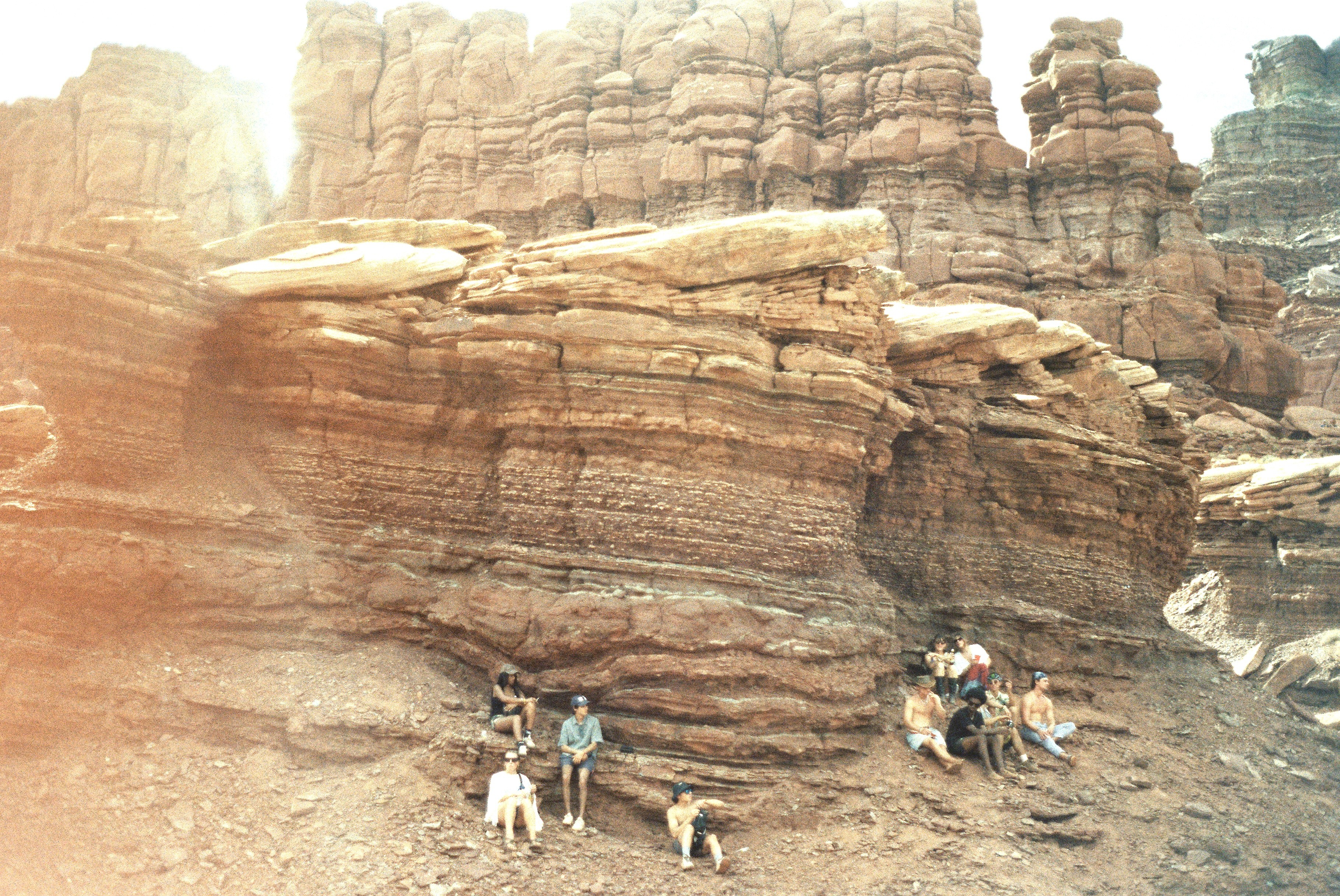
I recently took a trip to Capitol Reef, Utah, for spring break, and it was such an amazing experience. I went on incredible hikes like Hickman Bridge, Grand Wash, and Cassidy Arch, and I also went horseback riding near Thousand Lake Mountain on a horse named after Eddie Van Halen. Overall, I had an amazing time, and it felt like such a special opportunity.
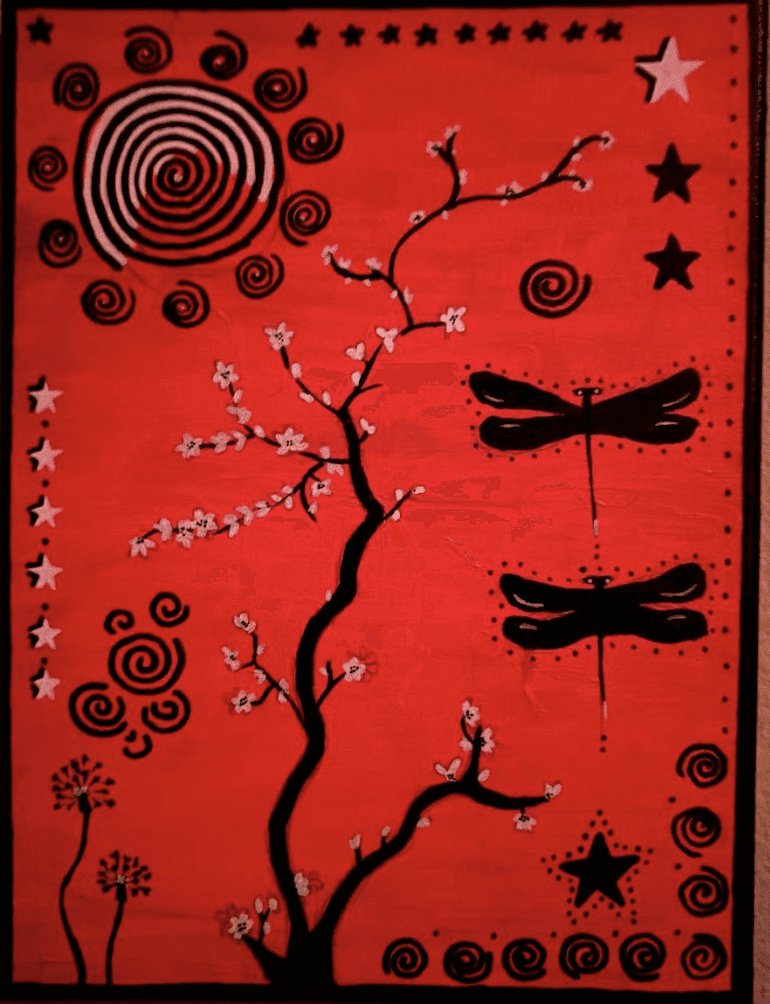
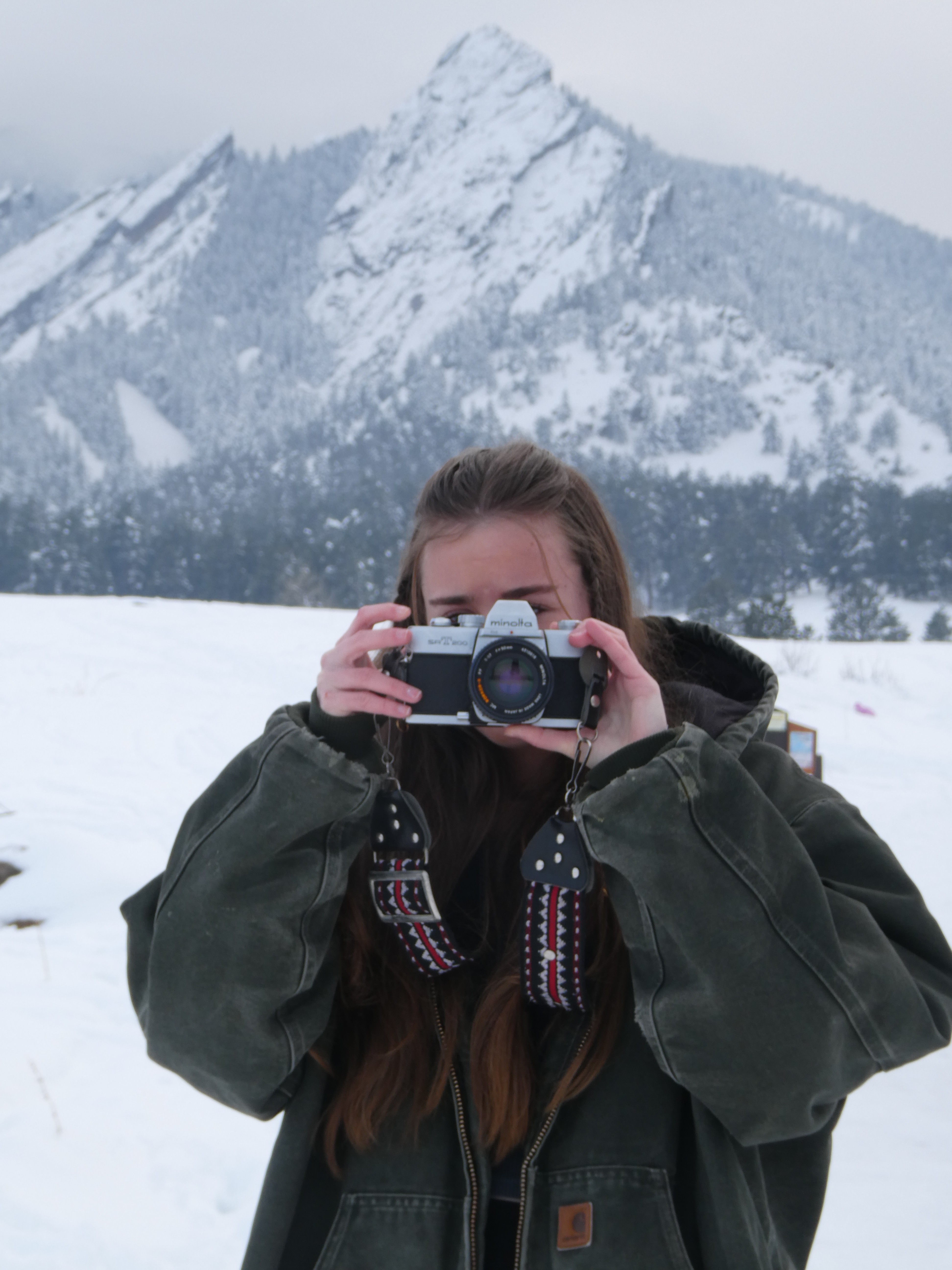
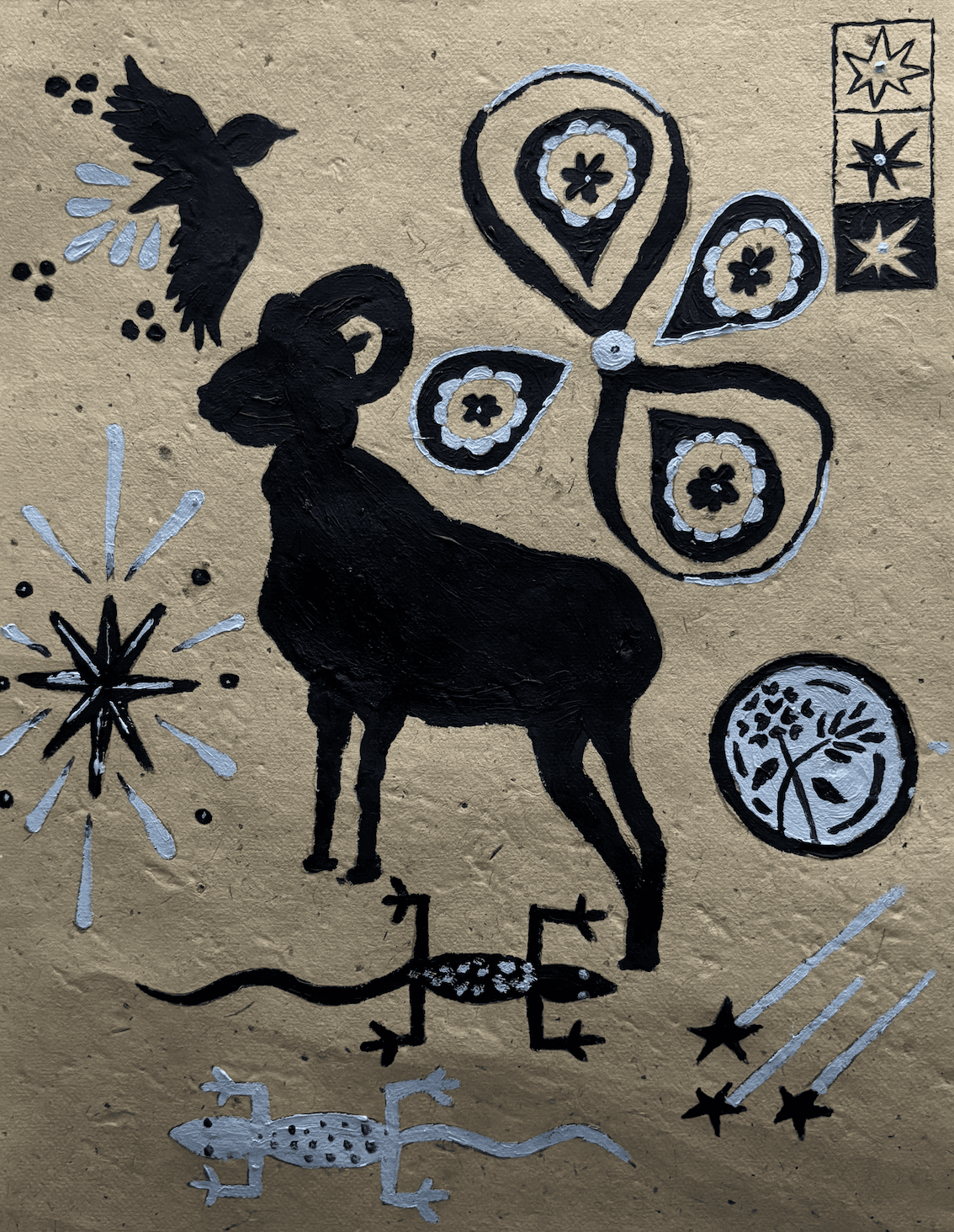
I brought along my sketchbook and made some really cool oil pastel sketches, and I also brought my film camera. This time, I packed several lenses and was able to get some amazing close-up shots of petroglyphs. At the same time, though, I noticed myself taking more photos on my phone than I wanted. After taking a film photo, I would often take the exact same shot on my phone “just in case.”
That made me realize I was doing the exact thing I dislike. What I love about shooting on film is the art of accepting mistakes, the patience of waiting to see the images, and the imperfect, unique quality each photo has. I started asking myself what the “just in case” was really for, and the answer was social media.
I’ve started taking backup photos in case my film doesn’t turn out the way I want, just so I still have something to post online. Ew. I hate that I think that way, but I also know I’m probably not alone. Social media can be incredibly addictive, and even though I don’t usually think of myself as someone who needs validation from others, I realized that in some ways, that is exactly what I was doing.
Going forward, I want to work on accepting my film photos for what they are, with more patience and less pressure. I also want to share my experiences for what they mean to me, even if the images are not perfect.
Genuineness 2/4/26
Something I’ve always held close to me is the value of being a genuine human being, both in my personal life and in the way I create and share my art. Throughout my marketing classes, the importance of transparency and authenticity comes up again and again, and for good reason: most consumers are drawn to products and services that feel real. This has led me to ask a bigger question, what does genuine art look like in the age of AI?
Lately, AI has been the topic of conversation across almost every industry. I truly believe it can be an incredibly useful tool, especially for people who don’t consider themselves artists but still need to create things like graphics, posters, or other visual content. At the same time, AI is undeniably changing the job landscape, including roles that once relied heavily on human creativity. Still, when it comes to artwork (true art created by a physical, thinking, feeling human) I don’t believe AI can fully replace it.
Humans already crave authenticity. And as AI becomes more widespread and accessible, I think that desire will only grow stronger. In the future, I see people placing even more value on art that is clearly not AI, because it represents time, intention, and lived experience in a way generated work cannot.
There is something undeniably special about handmade art. People visit museums filled with decades or centuries old work not just to look at it, but to connect with it. We analyze a piece, try to understand the artist’s mindset, imagine the process behind it, and form our own interpretations. That depth, the human story behind the work, is something AI simply can’t do.
The same applies to photography. When I look at a powerful image, I find myself wondering who took it, what they were feeling, and what moment they chose to capture. There’s a connection there, a shared human experience. That sense of depth and meaning is what makes art genuine, and it’s something AI can imitate, but never truly create with a purpose of genuineness.
Rules Kill Creativity 12/6/25
As a business major, I’ve always found it difficult to be creative, which is why I rely so heavily on art and photography to turn my thoughts and feelings into something tangible. I’ve never taken a photography class. I hear people casually use technical terms I don’t fully understand. I’ve never taken an art class either. I don’t know if I clean my oil paint brushes correctly, or if the techniques I use are technically “right.”
For a long time, I believed there was a right way to do things and a wrong way to do things. I thought creativity required total understanding, that I couldn’t create unless I knew everything first. I was also too afraid to admit when I didn’t know something at all.
The truth is I don’t know everything. I know some things, but not much, and I’ve learned to be okay with that. Of course, I still want to learn more about photography and art, but I no longer judge myself for knowing less than others. I’ve realized that I make my best art and take my best photos when I’m not following rules, but instead trusting what my mind and body find beautiful. When I look back at the art I made as a kid, or at work made by other children, I’m always struck by how creative it is. I think that’s because kids don’t worry about rules; they just create whatever comes from their imagination in whatever way feels right to them.
Overall, I feel confident calling myself both a photographer and an artist. You can be either or both even if you know less, even if you’re less skilled. Sometimes the best art comes from instinct rather than instruction. More often than not, rules don’t refine creativity, they limit it.
Learning To Create Without Self Doubt 01/27/26
Recently, I haven’t had much time to make art since school picked back up after winter break. But I’ve noticed that the moments I do carve out for it feel especially meaningful. Creating, whether it’s physical art or digital work, has been calming, grounding, and a genuine escape from the day-to-day pressure of classes and responsibilities. Lately, a lot of that creativity has shown up through my work with Access Analog, where I’ve been designing digital ads. That process has been incredibly fulfilling. It feels good to make something that exists beyond myself, something purposeful, something that will actually be seen and used.
At the same time, I’ve noticed a pattern I’m not proud of: becoming increasingly self-conscious. After finishing a project, I find myself repeatedly asking friends and family, “Does this look good?” or “Are you sure it’s good enough?” I’ve always been critical of my work, but usually in a way that pushes me to grow. Recently, though, that inner critic has shifted into something more self deprecating, and less productive.I’ve been asking myself why this is happening, and how I can pull myself out of it. I think part of the answer lies in the fact that I’m now creating something bigger than myself. When you’re making work for a company, the pressure to be “good enough” feels heavier. I want to give my absolute best, and there’s nothing wrong with that. If anything, that pressure has pushed me to become a better marketer and a more thoughtful creator.
But the solution, I’m realizing, isn’t to lower my standards, it’s to stop tying my self-worth to every outcome. I can challenge myself creatively without diminishing my value as an artist. I need to remind myself that creativity comes in waves, that growth isn’t linear, and that being imperfect doesn’t negate being talented.The shift I’m working toward is simple, but not easy: pushing myself while staying kind to myself. Holding space for ambition and confidence. Believing that I can grow without tearing myself down in the process.
Learning To Create Without Self Doubt 01/27/26
Recently, I haven’t had much time to make art since school picked back up after winter break. But I’ve noticed that the moments I do carve out for it feel especially meaningful. Creating, whether it’s physical art or digital work, has been calming, grounding, and a genuine escape from the day-to-day pressure of classes and responsibilities.Lately, a lot of that creativity has shown up through my work with Access Analog, where I’ve been designing digital ads. That process has been incredibly fulfilling. It feels good to make something that exists beyond myself, something purposeful, something that will actually be seen and used.
At the same time, I’ve noticed a pattern I’m not proud of: becoming increasingly self-conscious. After finishing a project, I find myself repeatedly asking friends and family, “Does this look good?” or “Are you sure it’s good enough?” I’ve always been critical of my work, but usually in a way that pushes me to grow. Recently, though, that inner critic has shifted into something more self deprecating, and less productive.
I’ve been asking myself why this is happening, and how I can pull myself out of it. I think part of the answer lies in the fact that I’m now creating something bigger than myself. When you’re making work for a company, the pressure to be “good enough” feels heavier. I want to give my absolute best, and there’s nothing wrong with that. If anything, that pressure has pushed me to become a better marketer and a more thoughtful creator.
But the solution, I’m realizing, isn’t to lower my standards, it’s to stop tying my self-worth to every outcome. I can challenge myself creatively without diminishing my value as an artist. I need to remind myself that creativity comes in waves, that growth isn’t linear, and that being imperfect doesn’t negate being talented.
The shift I’m working toward is simple, but not easy: pushing myself while staying kind to myself. Holding space for ambition and confidence. Believing that I can grow without tearing myself down in the process.
Rules Kill Creativity 12/6/25
As a business major, I’ve always found it difficult to be creative, which is why I rely so heavily on art and photography to turn my thoughts and feelings into something tangible. I’ve never taken a photography class. I hear people casually use technical terms I don’t fully understand. I’ve never taken an art class either. I don’t know if I clean my oil paint brushes correctly, or if the techniques I use are technically “right.”
For a long time, I believed there was a right way to do things and a wrong way to do things. I thought creativity required total understanding, that I couldn’t create unless I knew everything first. I was also too afraid to admit when I didn’t know something at all.
The truth is I don’t know everything. I know some things, but not much, and I’ve learned to be okay with that. Of course, I still want to learn more about photography and art, but I no longer judge myself for knowing less than others. I’ve realized that I make my best art and take my best photos when I’m not following rules, but instead trusting what my mind and body find beautiful. When I look back at the art I made as a kid, or at work made by other children, I’m always struck by how creative it is. I think that’s because kids don’t worry about rules; they just create whatever comes from their imagination in whatever way feels right to them.
Overall, I feel confident calling myself both a photographer and an artist. You can be either or both even if you know less, even if you’re less skilled. Sometimes the best art comes from instinct rather than instruction. More often than not, rules don’t refine creativity, they limit it.
Rules Kill Creativity 12/6/25
As a business major, I’ve always found it difficult to be creative, which is why I rely so heavily on art and photography to turn my thoughts and feelings into something tangible. I’ve never taken a photography class. I hear people casually use technical terms I don’t fully understand. I’ve never taken an art class either. I don’t know if I clean my oil paint brushes correctly, or if the techniques I use are technically “right.”
For a long time, I believed there was a right way to do things and a wrong way to do things. I thought creativity required total understanding, that I couldn’t create unless I knew everything first. I was also too afraid to admit when I didn’t know something at all.
The truth is I don’t know everything. I know some things, but not much, and I’ve learned to be okay with that. Of course, I still want to learn more about photography and art, but I no longer judge myself for knowing less than others. I’ve realized that I make my best art and take my best photos when I’m not following rules, but instead trusting what my mind and body find beautiful. When I look back at the art I made as a kid, or at work made by other children, I’m always struck by how creative it is. I think that’s because kids don’t worry about rules; they just create whatever comes from their imagination in whatever way feels right to them.
Overall, I feel confident calling myself both a photographer and an artist. You can be either or both even if you know less, even if you’re less skilled. Sometimes the best art comes from instinct rather than instruction. More often than not, rules don’t refine creativity, they limit it.
BLOG
Genuineness 2/4/26
Something I’ve always held close to me is the value of being a genuine human being, both in my personal life and in the way I create and share my art. Throughout my marketing classes, the importance of transparency and authenticity comes up again and again, and for good reason: most consumers are drawn to products and services that feel real. This has led me to ask a bigger question, what does genuine art look like in the age of AI?
Lately, AI has been the topic of conversation across almost every industry. I truly believe it can be an incredibly useful tool, especially for people who don’t consider themselves artists but still need to create things like graphics, posters, or other visual content. At the same time, AI is undeniably changing the job landscape, including roles that once relied heavily on human creativity. Still, when it comes to artwork (true art created by a physical, thinking, feeling human) I don’t believe AI can fully replace it.
Humans already crave authenticity. And as AI becomes more widespread and accessible, I think that desire will only grow stronger. In the future, I see people placing even more value on art that is clearly not AI, because it represents time, intention, and lived experience in a way generated work cannot.
There is something undeniably special about handmade art. People visit museums filled with decades or centuries old work not just to look at it, but to connect with it. We analyze a piece, try to understand the artist’s mindset, imagine the process behind it, and form our own interpretations. That depth, the human story behind the work, is something AI simply can’t do.
The same applies to photography. When I look at a powerful image, I find myself wondering who took it, what they were feeling, and what moment they chose to capture. There’s a connection there, a shared human experience. That sense of depth and meaning is what makes art genuine, and it’s something AI can imitate, but never truly create with a purpose of genuineness.
Rules Kill Creativity 12/6/25
As a business major, I’ve always found it difficult to be creative, which is why I rely so heavily on art and photography to turn my thoughts and feelings into something tangible. I’ve never taken a photography class. I hear people casually use technical terms I don’t fully understand. I’ve never taken an art class either. I don’t know if I clean my oil paint brushes correctly, or if the techniques I use are technically “right.”
For a long time, I believed there was a right way to do things and a wrong way to do things. I thought creativity required total understanding, that I couldn’t create unless I knew everything first. I was also too afraid to admit when I didn’t know something at all.
The truth is I don’t know everything. I know some things, but not much, and I’ve learned to be okay with that. Of course, I still want to learn more about photography and art, but I no longer judge myself for knowing less than others. I’ve realized that I make my best art and take my best photos when I’m not following rules, but instead trusting what my mind and body find beautiful. When I look back at the art I made as a kid, or at work made by other children, I’m always struck by how creative it is. I think that’s because kids don’t worry about rules; they just create whatever comes from their imagination in whatever way feels right to them.
Overall, I feel confident calling myself both a photographer and an artist. You can be either or both even if you know less, even if you’re less skilled. Sometimes the best art comes from instinct rather than instruction. More often than not, rules don’t refine creativity, they limit it.
Genuineness 2/4/26
Something I’ve always held close to me is the value of being a genuine human being, both in my personal life and in the way I create and share my art. Throughout my marketing classes, the importance of transparency and authenticity comes up again and again, and for good reason: most consumers are drawn to products and services that feel real. This has led me to ask a bigger question, what does genuine art look like in the age of AI?
Lately, AI has been the topic of conversation across almost every industry. I truly believe it can be an incredibly useful tool, especially for people who don’t consider themselves artists but still need to create things like graphics, posters, or other visual content. At the same time, AI is undeniably changing the job landscape, including roles that once relied heavily on human creativity. Still, when it comes to artwork (true art created by a physical, thinking, feeling human) I don’t believe AI can fully replace it.
Humans already crave authenticity. And as AI becomes more widespread and accessible, I think that desire will only grow stronger. In the future, I see people placing even more value on art that is clearly not AI, because it represents time, intention, and lived experience in a way generated work cannot.
There is something undeniably special about handmade art. People visit museums filled with decades or centuries old work not just to look at it, but to connect with it. We analyze a piece, try to understand the artist’s mindset, imagine the process behind it, and form our own interpretations. That depth, the human story behind the work, is something AI simply can’t do.
The same applies to photography. When I look at a powerful image, I find myself wondering who took it, what they were feeling, and what moment they chose to capture. There’s a connection there, a shared human experience. That sense of depth and meaning is what makes art genuine, and it’s something AI can imitate, but never truly create with a purpose of genuineness.
BLOG